ნაყოფიერებაზე გავლენას ახდენს ჰორმონების რთული ურთიერთქმედება, სტრესის დონე, საკვები ნივთიერებების სტატუსი მიუხედავად იმისა, აქტიურად ცდილობთ დაორსულებას ან უბრალოდ ეძებთ თქვენი საერთო რეპროდუქციული ჯანმრთელობის მხარდაჭერას, მწვანილი დიდი ხანია სანდო მოკავშირეები არიან სხეულის ნაზად
ტრადიციული მცენარეული სისტემები ფოკუსირებულია „სწრაფ გამოსწორებებზე“. სამაგიეროდ, ისინი ხაზს უსვამენ თანმიმდევრულობას და მხარს უჭერენ სხეულის თანდა ქვემოთ, ჩვენ ვიკვლევთ დროზე პატივცემულ მცენარეებს, რომლებიც ტრადიციულად გამოიყენება ნაყოფიერების მხარდასაჭერად, მარტივ, პრაქტიკულ რჩევებთან ერთად
როგორ შეუძლია მწვანილი ხელს უწყოს ნაყოფიერებას
ნაყოფიერებისთვის გამოყენებული მწვანილი ხშირად ირჩევა მათი მხარდაჭერის უნარის გამო:
- ჯანსაღი ჰორმონალური სიგნალიზაცია და ბალანსი {2
- სტრესის რეაგირება და ნერვული სისტემის რეგულირება
- ციკლის რეგულარულობა და საშვილოსნოს ტონი
- საერთო სიცოცხლისუნარიანობა და რეპროდუქციული გამძლეობა
იმის ნაცვლად, რომ მიზნად ისახავდეს ერთ ჰორმონს ან გზას, მცენარეული ფორმულები, როგორც წესი, მუშაობენ სინერგიულად და მხარს
ძირითადი მწვანილები, რომლებიც ტრადიციულად გამოიყენება ნაყოფიერების მხარ
ვიტექს ბერი (ვიტექს აგნუს-კასტუსი): ჰორმონალური ჰარმონიზატორი
Vitex, რომელიც ასევე ცნობილია როგორც წმინდა ხის კენკრა, ერთ-ერთი ყველაზე ფართოდ გამოყენებული მწვანილია ქალის რეპროდუქციული ჯანმრთელობისთვის. ტრადიციულად, იგი გამოიყენება ჯანსაღი პროგესტერონის სიგნალიზაციისა და ციკლის საერთო რეგულარულობის მხარდასაჭერად, ჰიპოთალამურ-ჰიპოფიზურ-საკვერცხის
ვიტექსი ჩვეულებრივ გამოიყენება, როდესაც ციკლები უფრო მოკლეა და პრემენსტრუალური დრო რთულია. თანმიმდევრულობა ამ ბალახთან მთავარია. ჩვეულებრივ, ეს ყოველდღიურად სჭირდება რამდენიმე თვის განმავლობაში გრძელვადიანი ბალანსის შესა
ველური იამის ფესვი (Dioscorea villosa): საშვილოსნოს მხარდაჭერის მოკავშირე
ველურ იამს აქვს ტრადიციული გამოყენების დიდი ისტორია რეპროდუქციული კომფორტისა და საშვილოსნოს ტონის მხარდასაჭერად. ჰერბალისტები ხშირად მიმართავენ ველურ იამს მენსტრუალური დისკომფორტთან ან რეპროდუქციულ გადასვლასთან მუშაობისას, რადგან მას დამამშვიდებელი გავლენა აქვს
ველური იამი არ გარდაიქმნება ორგანიზმში ჰორმონებად, მაგრამ ფასდება მისი დამხმარე როლით უფრო ფართო ნაყოფიერების ფორმულებში.
წითელი მაკას ფესვი (Lepidium meyenii): სიცოცხლისუნარიანობა და ადაპტოგენური დახმარება
ანდების სამშობლო, მაკას ფესვი არის როგორც საკვები, ასევე ბალახი. ტრადიციულად გამოიყენება გამძლეობის, ლიბიდოსა და რეპროდუქციული სიცოცხლისუნარიანობის მხარდასაჭერად, მაკა კვებავს ენდოკრინულ სისტემას და ეხმარება სხეულს
მაკას ხშირად აფასებენ ისინი, რომლებიც გრძნობენ ამოწურულ, დაშლას ან ენერგიულად დაბეგვრდებულს; დაშლელი მდგომარეობები, რომლებსაც დროთა განმავლობაში შეუძლიათ მშვიდად გავლენ
შავი ჰავის ქერქი (Viburnum prunifolium): რეპროდუქციული დამამშვიდებელი
შავი ჰაუ ტრადიციულად გამოიყენება საშვილოსნოს დასვენებისა და რეპროდუქციული კომფორტის მხარ ბალახისტებმა დიდი ხანია შეიტანეს იგი ფორმულებში, რომლებიც მიზნად ისახავენ რეპროდუქციულ სისტემაში დაძაბულობისა და კრუნჩხვების შესამსუბუქებლად და ფიზიკური
მისი დამამშვიდებელი თვისებები მას კლასიკურ თანამგზავრ ბალახად აქცევს ნაყოფიერების ნარევებში, რომლებიც ორიენტირებულია ბალ
ჟოლოს ფოთოლი (Rubus idaeus): საკვები ნივთიერებებით მდიდარი საშვილოსნოს
ჟოლოს ფოთოლი არის ერთ-ერთი ყველაზე საყვარელი მწვანილი ქალთა ტრადიციულ ჯანმრთელობაში. მდიდარია მინერალებით და ტრადიციულად გამოიყენება როგორც საშვილოსნოს მატონიზირებელი საშუალება, იგი მხარს უჭერს საშვილოსნოს
ჟოლოს ფოთოლი ხშირად სარგებლობს როგორც ჩაი ან შედის თხევად ექსტრაქტებში, ფასდება მისი ნაზი, გამაძლიერებელი ბუნების გამო.
ნაყოფიერების მხარდაჭერის ცხოვრების წესის რჩევები + „მცენარეული ჰაკები“
მწვანილი საუკეთესოდ მოქმედებს, როდესაც დაწყვილებულია ყოველდღიური აქ მოცემულია რამდენიმე მარტივი გზა მათი სარგებლის გასაძლიერებლად:
1. იფიქრეთ ციკლებში და არა სწრაფ გამოსწორებ
ნაყოფიერების მცენარეები ყველაზე ეფექტურია, როდესაც დროთა განმავლობაში მუდმივად გამოიყენება და ჯანსაღი ცხოვრების წესთან და დიეტის არჩევან ბევრი პრაქტიკოსი გირჩევთ მინიმუმ სამი სრული ციკლის დაშვებას, რათა
2. მხარი დაუჭირეთ თქვენს სტრესულ
ქრონიკულ სტრესს შეუძლია გავლენა მოახდინოს ნაზი ადაპტოგენების ჩართვა, აღდგენითი ძილის პრიორიტეტის მიღება, მაგონიერებელი მოძრაობა, როგორიცაა იოგა და ნერვული სისტემის მხარდაჭერის პრაქტიკა
3. კვებება მინერალებით
მინერალებით მდიდარი საკვები, როგორიცაა ფოთლოვანი მწვანილი, თესლი, პარკოსნები და მთლიანი საკვები, უზრუნველყოფს რეპროდუქციული ჟოლოს ფოთლის მსგავსი მწვანილი ბუნებრივად ავს
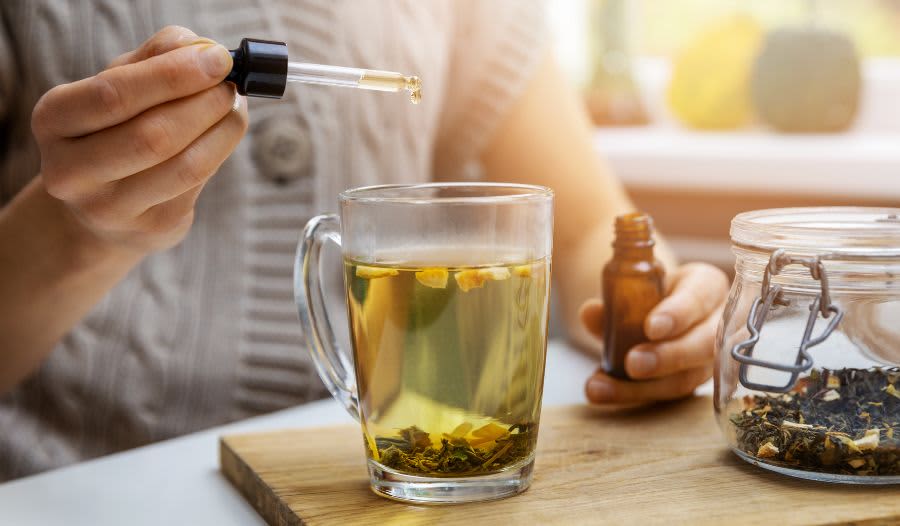
4. შეარჩიეთ თხევადი მცენარეული ექსტრაქ
თხევადი მცენარეული ექსტრაქტები სწრაფად შეიწოვება და იძლევა უფრო სპეციფიკურ დო მათი შერწყმა ასევე ადვილია მორგებულ რუტინებში.
5. დააწყვილეთ მწვანილი ციკლის
თქვენი ციკლის თვალყურება - იქნება ეს სხეულის ბაზალური ტემპერატურის, აპების ან ჟურნალის საშუალებით - დაგეხმარებათ უკეთ გაიგოთ, თუ როგორ რეაგირებს თქვენი სხეული როგორც მწვანილებზე, ასევე ცხოვრების წეს
მცენარეული ნაყოფიერების ფორმულების შესწავლა
ნაყოფიერებაზე ორიენტირებული მრავალი მცენარეული ფორმულა აერთიანებს ზემოთ მოყვანილ მწვანილებს გააზრებულად დაბალანსებულ ნარევებში, რომლებიც შექმნილია ნაყოფიერების დანამატების შესწავლისას, მოძებნეთ ფორმულები, რომლებიც ხაზს უსვამს ხარისხიან წყაროებს, ორგანულ ინგრედიენტებს და
ნაყოფიერი ფონდის შექმნა
ნაყოფიერება არ არის მხოლოდ ერთ მომენტს; ეს ეხება დროთა განმავლობაში დამხმარე შინაგანი გარემოს შექმნას. მწვანილი, როგორიცაა ვიტექსი, მაკა, ჟოლოს ფოთოლი, ველური იამი და შავი ჰავი თაობების განმავლობაში ენდობდნენ, როგორც ნაზი მოკავშირეებს რეპროდუქციული ბალანსისა და სიცო
სტრესის მხარდაჭერასა და თანმიმდევრულობაზე დაფუძნებული ცხოვრების წესის გონებრივ არჩევანთან დაკავშირებით, მცენარეთა ეს მოკავშირეები შეიძლება გახდნენ ნაყოფიერების მხარდაჭერის როგორც მკვებ
როგორც ყოველთვის, ნებისმიერი ახალი მცენარეული რეჟიმის დაწყებამდე გაიარეთ კონსულტაცია კვალიფიციურ
ცნობები:
- ჰოფმანი, დ. სამედიცინო ბერბალიზმი: მცენარეული მედიცინის მეცნიერება და პრაქტიკა. სამკურნალო ხელოვნების პრესი.
- იარნელი, ე. კლინიკური ბოტანიკური მედიცინა. მერი ენ ლიბერტი, Inc.
- უინსტონი, დ., და მაიმსი, ს. ადაპტოგენები: მწვანილი ძალის, გამძლეობისა და სტრესის შემსუბუქებისთვის. სამკურნალო ხელოვნების პრესი.
- აშშ-ს მედიცინის ეროვნული ბიბლიოთეკა. MedlinePlus: მცენარეული მედიცინა.
შენიშვნა:
ეს განცხადებები არ არის დამტკიცებული აშშ-ის სურსათისა და წამლების ადმინისტრაციის (FDA) მიერ. ეს პროდუქტები არ არის განკუთვნილი დაავადების დიაგნოსტიკისთვის, მკურნალობისთვის, განკურნებისთვის ან პრევენციისთვის.


























































 შინაარსის ცხრილი