სიცივე ჩვეულებრივ ვითარდება ოთხ ცნობილ ეტაპზე, თუმცა დრო და სიმპტომების ინტენსივობა შეიძლება განსხვავდებოდეს ადამიანის და ვირუსის სიძლიერის ან ტიპის
ეტაპი 1: ინკუბაციის ფაზა
ვადები
ექსპოზიციიდან დაახლოებით 1-3 დღის შემდეგ
რა ხდება?
ვირუსი შედის ზედა სასუნთქი გზებში და იწყებს რეპლიკაციას.
საერთო სიმპტოები
- ჩვეულებრივ არცერთი
- ზოგჯერ ყელის რბილი გაღიზიანება ან დაღლილობა
ეტაპი 1 ცივი კვების დახმარება
პირველი, რაც გასათვალისწინებელია, არის ვიტამინის C დანამატების დონის გაზრდა. ჩატარდა 30-ზე მეტი კლინიკური კვლევა, რომელშიც მონაწილეობდა 11 000-ზე მეტი კვლევის მონაწილე, რათა შეაფასოს C ვიტამინის ეფექტურობა იმუნური ჯანმრ უამრავი ვარიანტი არსებობს კაფსულებში, რეზინებში, ლიპოსომურ ფორმებში და სასმელების ფხვნილის მიქსებში. კერძოდ, C ვიტამინის ლიპოსომური ფორმები ძალიან პოპულარული ხდება გაუმჯობესებული შეწოვის გამო, ნაკლები კუჭ-ნაწლავის გვერდითი მოვლენებით (გაზი და ნაწლავის ფხვ მწვავე სტრესის ან ინფექციის დროს მიიღეთ 1000 მგ ლიპოსომური ვიტამინი C დღეში ორჯერ.5
ეტაპი 2: ადრეული (დაწყების) ფაზა
ვადები
სიმპტომების 1-3 დღე
რა ხდება
იმუნური სისტემა აღმოაჩენს ვირუსს და აწარმოებს ანთებითი რეაქციას. ეს ეტაპი ჩვეულებრივ ხდება, როდესაც ხალხი ამბობს: „ვგრძნობ სიცივეს“.
საერთო სიმპტოები
- ნაკაწრები ან ყელის ტკივილი
- ცემინება
- მსუბუქი თავის ტკივილი
- დაღლილობა ან სისუსტე
- სუფთა, წყლიანი ცხვირის გამონადენი
ეტაპი 2 ცივი კვების დახმარება
განვიხილოთ მაღალი ხარისხის ექინაცეას პროდუქტი. ჩატარდა 300-ზე მეტი სამეცნიერო გამოკვლევა ექინაცეას იმუნის გამაძლიერებელი ეფექტის შესახებ, ერთ-ერთი ყველაზე პოპულარული მწვანილი გაციებასთან ბრძოლაში. ექინაცეასთან დაკავშირებული კლინიკური კვლევების შერეული შედეგები, სავარაუდოდ, გამოწვეულია აქტიური ნაერთების ნაკლებობით ან არა კლინიკურმა კვლევებმა ექინამიდის გამოყენებით, კარგად განსაზღვრული ექინაცეას ექსტრაქტი, რომელიც შეიცავს აქტიურ ნაერთებს იდეალურ კონცენტრაციებსა და თანაფარდობებში, აჩვენა შესანიშნავი შედეგები, როდესაც სიმპტომები გამოჩნდებ
ეტაპი 3: პიკური (მწვავე) ფაზა
ვადები
დღეები 3—5 (ზოგჯერ მე-7 დღემდე)
რა ხდება
იმუნური პასუხი ყველაზე ძლიერია. სიმპტომები ასევე ყველაზე ინტენსიურია და გადამდებობა ყველაზე მაღალია.
საერთო სიმპტოები
- ცხვირის შეშუპება
- სქელი ცხვირის ლორწო (თეთრი, ყვითელი ან მწვანე - ეს ავტომატურად არ ნიშნავს ბაქტერიულ ინფექციას)
- ხველა
- სისუსტე
- მსუბუქი ცხელება (უფრო ხშირია ბავშვებში)
- სხეულის ტკივილი
ეტაპი 3 ცივი კვების დახმარება
გარდა ხარისხიანი ძილისა და დასვენების მნიშვნელობისა, არსებობს დიეტური დანამატები, რომლებმაც გამოიჩინეს სარგებელი იმუნური სისტემის შესრულებაში თავისი საქმის შესრულებაში გაციების ვირუსთან ბრძოლაში და სიმპტომების სიმძიმის შემსუბუქებაში.
ერთ-ერთი საუკეთესოდ გამოკვლევილია თუთიის ლოსენგების გამოყენება. ბევრმა კლინიკურმა კვლევამ აჩვენა, რომ თუთიის პასტილები ხელს უწყობს ყელის ტკივილის შემსუბუქებას გაციების გამო,8 მაგრამ არსებობს რამდენიმე მნიშვნელოვანი მითითება, რომელიც უნდა დაიცვას:
- გამოიყენეთ პასტილები, რომლებიც მიაწოდებენ 15-25 მგ ელემენტარულ თუთიას.
- პირის ღრუში გახსნით ყოველ ორ საათში საწყისი ორმაგი დოზის შემდეგ.
- შეეცადეთ მიიღოთ 75 მგ თუთია 24 საათის განმავლობაში, მაგრამ არა უმეტეს ამ რაოდენობაზე და არა უმეტეს 7 დღის განმავლობაში
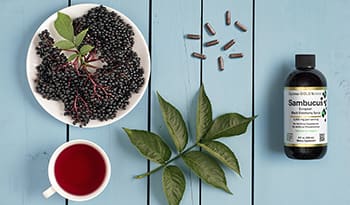
კიდევ ერთი ძირითადი რეკომენდაციაა შავი ბერკის დანამატების გამოყენება. სამეცნიერო ლიტერატურაში გამოქვეყნებული თითქმის 6000 კვლევა აჩვენებს, რომ შავი ბორცი ან მისი კომპონენტები იმუნური ფუნქციის მხარდაჭერას ახდენს. 9 ბოლოდროინდელი ორმაგი ბრმა კვლევამ აჩვენა, რომ სიცივეს ექსტრაქტს იღებს უფრო დაბალი სიმპტომი და საშუალოდ 2 დღით მოკლე ხანგრძლივობა 6.88 დღეები). ეს კვლევა იძლევა ზოგიერთ დოზირების მითითებებს, რადგან გამოყენებული პროდუქტი უზრუნველყოფდა 90-135 მგ ანტოციანინების ყოველდღიურ დოზას.
დაბოლოს, არსებობს N-აცეტილცისტეინი (NAC), გოგირდის შემცველი ამინომჟავა, რომელსაც აქვს გამოყენების ფართო ისტორია, როგორც ლორწოვანი მოდიფიკაციური აგენტი სასუნთქი გზების მხარდასაჭერად. იგი ასევე გამოიყენება ორგანიზმში გლუტათიონის შესაქმნელად, მთავარი ანტიოქსიდანტი მთელი სასუნთქი გზებისა და ფილტვებისთვის. გლუტათიონის უჯრედული უჯრედული დონე დაკავშირებულია ინდივიდებში უკეთეს იმუნურ პასუხთან. როგორც ლორწოვანი მოდიფიცირებელი აგენტი, NAC ხელს უწყობს ბრონქული სეკრეციის სიბლანტის შემცირებას და სასუნთქი გზებიდან ლორწოს გაწმენდის უნარის გაუმჯობესებას.10 ძირითადი მიზანი სიცივის მწვავე და აღდგენის ეტაპებზე. მიიღეთ 500-600 მგ დღეში ორჯერ.
ეტაპი 4: აღდგენის (რეზოლუციის) ფაზა
ვადები
დღეები 5—10 (ზოგჯერ უფრო გრძელი)
რა ხდება
ვირუსული დატვირთვა მცირდება და ანთება წყდება.
საერთო სიმპტოები
- შეშუპების თანდათანობითი გაუმჯობესება
- ხანგრძლივი ხველა ან ცხვირის შემდგომი წვეთი
- ენერგია ბრუნდება
- ხველა შეიძლება გაგრძელდეს 1-3 კვირის განმავლობაში სასუნთქი გზების მგრძნობელობის გამო, ვირუსის გაქრობის შემდეგაც კი.
ეტაპი 4 ცივი კვების დახმარება
გაცივის შემდეგ სასუნთქი გზებსა და სინუსებში დარჩენილი ნარჩენების გაწმენდის დასახმარებლად, გირჩევთ ბრომელაინს, გოგირდის შემცველი ფერმენტების ჯგუფს, რომლებიც ანასის მცენარედან მიღებული ცილებს (პროტეოლიზური ფერმენტები ან პროტეაზები) ანანასის მცენარედან (Ananas comosus). ნაჩვენებია, რომ ბრომელაინი ახდენს რამდენიმე სასარგებლო ეფექტს, მათ შორის სასუნთქი გზების გაწმენდა, ხველის ჩახშობა და სასუნთქი გზების სეკრეციის სიბლანტის შემცირება.11 ამან შეიძლება გაუადვილოს სუნთქვა. მიიღეთ 500-750 მგ დღეში ორჯერ ცარიელ კუჭზე.
ბუნებრივი იმუნური ფუნქციის მხარდაჭერა
არსებობს ცხოვრების წესის, დიეტური და დანამატების ძირითადი სტრატეგიები, რომლებსაც შეუძლიათ გააუმჯობესონ სიცივისა და გრიპის სეზონის სიმპტომებ სტრატეგიები მოიცავს ოპტიმალური იმუნური ფუნ
დაიძინეთ
იწყება ჯანმრთელობის ხელშეწყობის ცხოვრების წესით, რომელიც მოიცავს ადეკვატური ძილის ხარისხს (მინიმუმ შვიდი საათი ყოველ ღამე), რეგულარულ ფიზიკურ ვარჯიშს, მავნე ჯანმრთელობის ჩვევების თავიდან აცილებას, როგორიცაა მოწევა და ალკოჰოლი.
სტრესი
სტრესი, ხარისხიანი ძილის ნაკლებობა, ალკოჰოლის გადაჭარბებული მიღება და მოწევა შეიძლება ხელი შეუწყოს იმუნური ფუნქციის დარღვევას და გაციებისა და ინფექციებისადმი მგრძნობელობის
დიეტა
ოპტიმალური იმუნური ფუნქცია ასევე მოითხოვს ჯანსაღი დიეტას, რაც არის:
- მდიდარია მთლიანი, ბუნებრივი (სასურველია ორგანული) საკვებით, როგორიცაა ხილი, ბოსტნეული, მთლიანი მარცვლეული, ლობიო, თესლი და თხილი
- დაბალი ცხიმებით და დახვეწილი შაქრით
- შეიცავს ცილის ადეკვატურ, მაგრამ არა გადაჭარბებულ რაოდენობას
- მოიცავს ხუთი ან ექვსი 8 უნციის ჭიქა წყალი დღეში
დანამატები
რაც შეეხება დანამატებს, აქ მოცემულია რამდენიმე ძირითადი მოსაზრება სიცივისა და გრიპის სეზონში იმუნური ფუნქციის მხარდასაჭერად
- მაღალი პოტენციალობა მულტივიტამინი: მრავალჯერადი ვიტამინისა და მინერალური ფორმულა მოქმედებს როგორც კვების „დაზღვევის პოლისი“, რომელიც უზრუნველყოფს იმუნური ფუნქციისთვის ძირითადი საკვები ნივთიერებების საკმარის ეს დიეტური დანამატი უნდა გახდეს თქვენი ყოველდღიური პროგრამის ნაწილი მთელი წლის განმავლობაში.1-3
- ვიტამინი D3: ნაჩვენებია, რომ D3 იძლევა იმუნის გამაძლიერებელი ეფექტების ფართო სპექტრს, მათ შორის ვირუსული ზედა რესპირატორული ინფექციების სიხშირის შემცირების უნარს.4 მრავალი ვიტამინისა და მინერალური დანამატის გარდა, მრავალი ჯანმრთელობის ექსპერტი გირჩევთ ყოველდღიურად მიიღოთ 2,000-5,000 IU ვიტამინი D3 იმუნური ფუნქციის მხარდასაჭერად
- ვიტამინი C: ვიტამინი C აქცევს სისხლის თეთრ უჯრედებს, აძლიერებს ანტისხეულების დონეს და რეაგირებას, თიმუსის ჰორმონების სეკრეციას და აძლიერებს ორგანიზმის ანტივირუსულ ნაერთს ინტერფერონს.5 როდესაც ინფექცია გაქვთ ან სტრესში ხართ, C ვიტამინის საჭიროება იზრდება. ასე რომ, ცალკე ვიტამინის C დანამატი სხვა რამეა, რაც უნდა შეიტანოთ თქვენს დანამატის რუ მიიღეთ დამატებით 500-დან 1000 მგ დღეში.
- ბეტა-გლუკანი: სოკოს და საფუარის ბეტა-გლუკანის პოლისაქარიდები, განსაკუთრებით საცხობი საფუარი (Saccharomyces cerevisiae), ფაქტიურად ათობით პრეკლინიკურ და კლინიკურ კვლევაში.6 Wellmune® საუკეთესოდ გამოკვლეულია ბეტა-გლუკანის წყარო, ათზე მეტი ორმაგი ბრმა კლინიკური კვლევით. მარათონის მორბენალთა კვლევაში (რომლებიც განიცდიან ინფექციების გაზრდას მარათონების მსგავსი გრძელი სირბილის შემდეგ), ველმუნმა მნიშვნელოვნად შეამცირა სიცივის განვითარების სიხშირე 67% -ით მიიღეთ 500 მგ ყოველდღიურად.
ცნობები:
- Toti E, Chen CO, Palmery M, Vilaño Valencia D, Peluso I. არაპროვიტამინი A და პროვიტამინი A კაროტინოიდები, როგორც იმუნომოდულატორები: რეკომენდებული დიეტური შემწირება, თერაპიული ინდექსი ან პერსონალიზებული კვება? ოქსიდის მედ უჯრედის ხანგრძლივობა. 2018 მაისი 9; 2018:4637861.
- რეიდერი კა, ჩუნგ RY, დევარში PP და სხვ. იმუნური ჯანმრთელობის საკვები ნივთიერებების არადეკვატურობა: მიღება აშშ-ს მოზრდილებში, 2005- საკვები ნივთიერებები. 2020; 12 (6): 1735.
- Gombart AF, Pierre A, Maggini S. მიკროელემენტებისა და იმუნური სისტემის მიმოხილვა, რომელიც ჰარმონიულად მუშაობს ინფექციის რისკის შესამცირებლად. საკვები ნივთიერებები. 2020; 12 (1): 236.
- მარტინო ადრიან რ, ჯოლიფ დევიდ ა და სხვ. D ვიტამინის დანამატები მწვავე სასუნთქი გზების ინფექციების თავიდან ასაცილებლად: ინდივიდუალური მონაწილეთა მონაცემების BMJ 2017; 356: ი6583.
- Hemilä H, Chalker E. C ვიტამინი გაციების თავიდან ასაცილებლად და სამკურნალოდ. კოკრანის მონაცემთა ბაზის სისტემატი რევ. 2013; 2013 (1): CD000980.
- Zhong K, Liu Z, Lu Y, Xu X. საფუარის β-გლუკანების ეფექტები ზედა სასუნთქი გზების ინფექციის პრევენციისა და მკურნალობისთვის ჯანმრთელ სუბიექტებში: სისტემატური მიმოხილვა და მეტაანალიზი. ევრო ჯ ნუტრი 2021 წლის დეკემბერი; 60 (8): 4175-4187.
- გოელ ვ, ლოვლინ რ, ბარტონ რ და სხვ. სტანდარტიზებული ექინაცეას პრეპარატის (ექინილინი) ეფექტურობა სიცივის სამკურნალოდ: რანდომიზებული, ორმაგი ბრმა, პლაცებო-კონტროლირებადი კვლევა. ჯ კლინ ფარმ თერი. 2004; 29:75-83.
- ჰანტერი ჯ, არენცი ს, გოლდენბერგ ჯ და სხვ. თუთია მოზრდილებში მწვავე ვირუსული რესპირატორული გზების ინფექციების პრევენციისთვის ან მკურნალობისთვის: რანდომიზებული კონტროლირებული კვლევების სწრაფი სისტემური მიმოხილვა და BMJ ღია. 2021; 11 (11): e047474.
- Mocanu ML, Amariei S. Elderberries-ბიოაქტიური ნაერთების წყარო ანტივირუსული მოქმედებით. მცენარეები (ბაზელი). 2022 წლის 10 მარტი; 11 (6): 740.
- შალამონ შ, კრამარ ბ, მაროლტ ტპ და სხვ. N-აცეტილცისტეინის სამედიცინო და დიეტური გამოყენება. ანტიოქსიდანტები (ბაზელი). 2019; 8 (5): 111.
- მანზურ ზ, ნავაზ ა, მუხტარ ჰ, ჰაკ ი ბრომელაინი: ექსტრაქციის, გაწმენდის მეთოდები და თერაპიული გამოყენება. ბრაზი. თაღი. ბიოლი. ტექნოლი. 2016; 59: e16150010.
შენიშვნა:
ეს განცხადებები არ არის დამტკიცებული აშშ-ის სურსათისა და წამლების ადმინისტრაციის (FDA) მიერ. ეს პროდუქტები არ არის განკუთვნილი დაავადების დიაგნოსტიკისთვის, მკურნალობისთვის, განკურნებისთვის ან პრევენციისთვის.
შეიძინეთ სტატიაში მოცემული პროდუქტები



























































 შინაარსის ცხრილი