ძირითადი მიზნები
- ძუძუთი კვებას შეუძლია გაზარდოს ენერგიისა და საკვები ნივთიერებების საჭიროებები: საჭმელები ხშირად გამოიყენება ლ
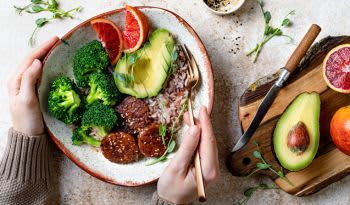
- დაბალანსებული საჭმელები შეიძლება ხელს უწყობდეს სისვესა და კომფორტს: ცილები, ბოჭკოები და ჯანსაღი ცხიმები ჩვეულებრივ შედის ძ
- ჰიდრატაცია მნიშვნელოვანი საკითხია ძუძუთი კვების დროს: წყლით მდიდარმა საკვებმა და სითხეებმა შეიძლება დაეხმაროს ლაქტაციის პერიოდში
- პორტატული და ადვილად მომზადებადი საკვები ხშირად ხაზგასმულია: სმუზი, ბილიკის მიქსი, იოგურტი, შვრიის ფაფა და ენერგეტიკული ნაკბენ
- ინდივიდუალური მადა და კვების გრაფიკი შეიძლება განსხვავდებოდეს: საჭმლის დრო და პორციის ზომა შეიძლება განსხვავდებოდეს პირადი საჭიროებებისა და
ძუძუთი კვება ერთ-ერთი ყველაზე ბუნებრივი, მაგრამ უნიკალური გამოცდილებაა, რომელიც თქვენ, როგორც დედას, შეგიძლიათ გქონდეთ. მას ამდენი სარგებელი მოაქვს როგორც თქვენთვის, ასევე თქვენი ბავშვისთვის, მაგრამ ის მოითხოვს ცხოვრების წესის გარკვეულ კორექტირებას. გარდა ისეთი საკითხების გარდა, როგორიცაა საექთნო საფარის სწორი არჩევა და თქვენი ბავშვის დაფიქსირება, ასევე ძალიან მნიშვნელოვანია იმის გაგება, თუ როგორ საუკეთესოდ იკვებოთ საკუთარი თავი ძუძუთი კვების დროს.
ფრაზა „ძუძუთი კვების შიმშილი“ გულისხმობს შიმშილის ინტენსიურ გრძნობებს, რომლებიც შეიძლება მოხდეს ექთ ბევრი ქალისთვის ეს ერთ-ერთი ყველაზე შიმშილი დროა, რაც მათ ოდესმე განიცადეს. ეს ხდება თქვენი სხეულის მეტი კალორიისა და საკვები ნივთიერებების საჭიროების გამო, რაც ხელს შეუწყობს როგორც თქვენს, ასევე თქვენს მეძუძ დღის განმავლობაში მინიმუმ სამი ძირითადი კვების ჭამის გარდა, თქვენ ასევე დაგჭირდებათ საჭმლის ჭამა დაახლოებით ყოველ ორ-სამ საათში ერთხელ, რათა დაგეხმაროთ თქვენი სხეულის საწვავად.
ამის გათვალისწინებით, აქ განვიხილავთ, თუ რა შეადგენს ძუძუთი კვების კარგ საჭმელს და მოგაწვდით უამრავ მაგალითს, რომელთაგან აირჩიოთ და გამოიყენოთ საკუთარ ძუძუთი
რა არის საუკეთესო საჭმელები მეძუძური დედებისთვის?
ძუძუთი კვება წვავს ბევრ ენერგიას (ანუ კალორიებს). CDC— ს თანახმად, ქალებს, რომლებიც ძუძუთი კვებიან, დღეში მინიმუმ დამატებითი 330-400 კალორია სჭირდებათ გაითვალისწინეთ, რომ ზოგს შეიძლება კიდევ უფრო მეტი დასჭირდეს ასაკის, აქტივობის დონის და სხეულის მასის ინდექსის (BMI) მიხედვით. და საიდან მოდის ეს კალორიები, მნიშვნელოვანია, რადგან რასაც ჭამთ, შეიძლება გავლენა მოახდინოს თქვენი შვილისთვის აწარმოებული რძის ხარისხზე და რაოდენობაზე.
არსებობს 3 ძირითადი კატეგორია, რომელზეც ყურადღება უნდა გაამახვილოთ ძუძუთი კვებისთვის მკვებავი საჭმლის
ცილა
ცილების საჭიროებები ძუძუთი კვების ქალებისთვის უფრო მაღალია, ვიდრე მათთვის, ვინც არ ბოლოდროინდელი კვლევების თანახმად, ექსკლუზიურად ძუძუთი კვების ქალები - მშობიარობის შემდგომი დაახლოებით 3-დან 6 თვემდე - 150 ფუნტი (68 კგ) ქალისთვის ეს დღეში დაახლოებით 116-დან 130 გრ ცილას შეადგენს. ცილა ასრულებს ბევრ მნიშვნელოვან როლს, მათ შორის თქვენი იმუნური სისტემის მხარდაჭერას, ხელს უწყობს ქსოვილის ნორმალურ ზრდასა და აღდგენას ის ასევე დაგეხმარებათ ჭამის შემდეგ იგრძნოთ სიცე, ამიტომ მისი დამატება თქვენს საჭმელში დაგეხმარებათ შემცირდეს რამდენად ხშირად გჭირდებათ დაბრუნება
ჯანსაღი ცხიმ
ცხიმი არა მხოლოდ წარმოუდგენლად დამაკმაყოფილებელია, არამედ ის ასევე კვებავს თქვენს სხეულს მრავალი გზით - როგორიცაა თქვენი სხეულის უჯრედების მხარდაჭერა და ზოგიერთი ვიტამინების გარდა ამისა, ცხიმი ხელს უწყობს თქვენი მზარდი ბავშვის ტვინის განვითარებას. მთავარია სწორი წყაროების არჩევა, რომლებიც მდიდარია უჯერებელი ცხიმებით და დაბალია გაჯერებული ცხიმებით.
მაღალი ბოჭკოვანი ნახშირ
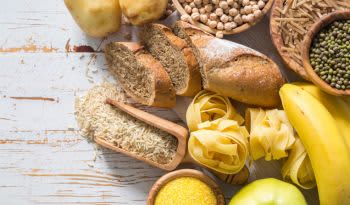
ბოჭკო არის ნახშირწყლების ტიპი, რომლის უმეტესობა ამერიკელების უმეტესობას ეჭირს საკმარისი მისი ჩართვა ძუძუთი კვების საჭმელში შესანიშნავი გზაა თქვენი მიღების გაზრდაში. ცილის მსგავსად, ბოჭკო დაგეხმარებათ იგრძნოთ სიცოცხლე და, შესანიშნავია ბოჭკო ასევე მხარს უჭერს ჯანმრთელ საჭმლის მომნელებელ ტრაქტს და ხელს უწყობს სისხლში გარდა ამისა, ბოჭკო გვხვდება უაღრესად მკვებელ საკვებში, ამიტომ თქვენ ბუნებრივად მიიღებთ საკმარისად მას, თუ ყურადღებას გაამახვილებთ ძირითადად მთლიანი, საკვები ნივთიერებებით მკვებრი საკვების ჭამაზე
ძუძუთი კვების საჭმის მაგალითები
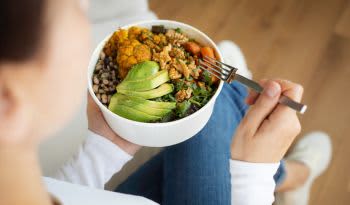
ახლა, როდესაც იცით, რაზე უნდა ყურადღება გაამახვილოთ, აქ მოცემულია ძუძუთი კვების ჯანსაღი საჭმელების მრავალი მაგალითი
- ბანანი ან ვაშლი დაწყვილებულია თხილის კარაქთან
- ბოსტნეულის ჩხირები ჩაყრილი ჰუმუსში, რანჩოში ან გუაკამოლეში
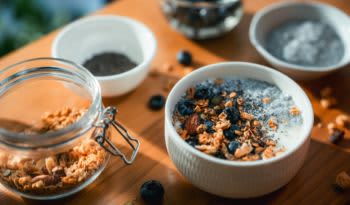
- უბრალო ბერძნული იოგურტი ხილით და დაბალი შაქრის გრანოლით
- ბილიკის მიქსი
- ყველი მთლიანი მარცვლეულის კრეკერით
- მყარად მოხარშული კვერცხი ჭიქა 100% წვენით
- მთლიანი მარცვლეულის მაფინი
- მთლიანი მარცვლეულის ან მაჟანის ტოსტი ავოკადოთი
- მსუბუქად დამარილებული პოპკორნი მუჭა თხილით
- სმუზი, ან აკაის თასი
- დაკონსერვებული თინუსი ან ორაგული კრეკერით
- არაქისის კარაქი და ჟელე სენდვიჩი მთლიანი მარცვლეულის პურზე
- ხელნაკეთი შვრიის ნაკბენები
- თურქეთის ჯოხი ნაყოფის ნაჭრით
- თხილის კარაქში ჩაყრილი ფინიკი
- ხაჭო ხილით
- მთლიანი მარცვლეულის ინგლისური მაფინი, რომელზეც ზემოთ თხილის კარაქი და ცოტა თაფლი
- სიმებიანი ყველი რამდენიმე ხმელი ხილით
- ჩიას თესლის პუდინგი
გარდა ყველა ამ საჭმლის მაგალითისა, ასევე აუცილებელია საკმარისი სითხის დალევა. სითხეები ხელს უწყობენ დედის რძის წარმოებასაც და მეძუძური დედებს უფრო მეტი სჭირდებათ, ვიდრე არა კვლევა გირჩევთ მინიმუმ 2700 მლ დღეში, რაც დაახლოებით 11.5 ჭიქაა. შეეცადეთ ამის უმეტესობა წყლიდან მოხდეს, მაგრამ 100% წვენის, ჩაისა და ყავის მოხმარებაც კარგია.
რა უნდა თავიდან აიცილოთ თქვენს დიეტაში ძუძუთი კვების დროს
გარდა ამისა, თუ რა უნდა ჭამოთ ძუძუთი კვების დროს, ასევე აღსანიშნავია რამდენიმე რამ, რაც საჭიროა შეზღუდული ან თავიდან აცილება საჭიროა ძუძუთების დროს. ესენია:
ალკოჰოლი
ალკოჰოლი გადის თქვენს დედის რძეში. ამიტომ ამერიკის პედიატრიის აკადემია (AAP) გირჩევთ ალკოჰოლის მიღების მინიმუმამდე მიღება არასოდეს უნდა აღემატებოდეს 0,5 გრ ალკოჰოლს სხეულის წონის კგ. 60 კგ (132 ფუნტი) დედისთვის ეს იქნება დაახლოებით 2 უნცია ლიქიორი, 8 უნცია ღვინო ან 2 ლუდი. გარდა ამისა, AAP ურჩევს ექთნას ალკოჰოლის დალევიდან 2 საათის შემდეგ დაელოდოთ, რადგან ეს საშუალებას მისცემდა ალკოჰოლის კონცენტრაციის მინიმუმამდე შემცირებას.
ჭარბი კოფე
ზოგიერთი კოფეინი კარგია - და ჩვენ ვიცით, რომ სავარაუდოდ დაგჭირდებათ, თუ ბავშვი გაიღვიძებთ ღამეში რამდენჯერმე. უბრალოდ მიზნით შეზღუდოთ თქვენი მიღება დაახლოებით 300 მგ კოფეინით, რაც დაახლოებით 2-დან 3 ჭიქა ყავას შეადგენს. ეს იმიტომ ხდება, რომ კოფეინი გადის ძუძუს რძეში და შეიძლება უარყოფითად იმოქმედოს თქვენს შვილზე, თუ თუ შეამჩნევთ გაღიზიანებას, შეშფოთებას ან ძილის გაჭირვებას თქვენს შვილში ძუძუთი კვების შემდეგ, ეს შეიძლება იყოს ნიშანი, რომ კოფეინის მიღების შემდგომი შეზღუდვა გაითვალისწინეთ, რომ ყავის გარდა, კოფეინი შეიძლება მომდინარეობდეს სოდადან, ჩაიდან და შოკოლადისგან.
ბევრი დამატება და მედიკამენტ
მცენარეული დანამატები კარგად არ არის რეგულირებული FDA- ის მიერ (სურსათისა და წამლების ადმინისტრაცია)და ბევრი არ არის უსაფრთხო ორსულობის ან ძუძუთი კვების დროს გამოყენება. იგივე ეხება როგორც რეცეპტზე, ასევე რეცეპტზე გაცემულ მედიკამენტებს. ყოველთვის აუცილებლად წაიკითხეთ პროდუქტის ეტიკეტი მის გამოყენებამდე, რათა შეამოწმოთ რაიმე გაფრთხილება. ასევე, აცნობეთ ექიმს ნებისმიერი მედიკამენტის დაწყებისას ან შეწყებისა
მოკლედ
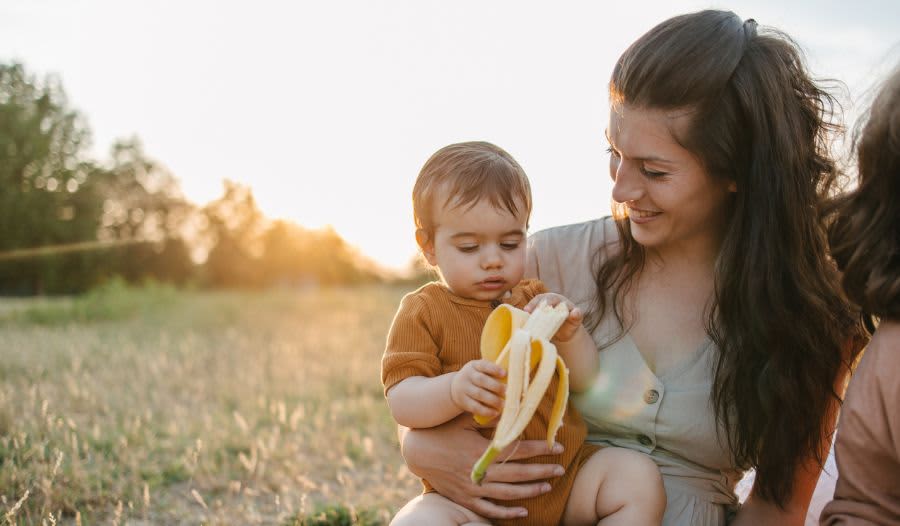
ძუძუთი კვება არის მომხიბლავი და ლამაზი მომსახურება დედადან ბავშვს და მცირეწლოვან ბავშვს. როგორც ორსულობის დროს, დედებმა უნდა იცოდნენ საკვები ნივთიერებების გაზრდილი საჭიროებების შესახებ ძუძუთი ვინაიდან ძუძუთი კვება ხშირად იწვევს შიმშილის გაზრდას, ძუძუთი კვების მკვებავი საჭმელების საჭმელები, როგორიცაა ხილისა და თხილის კარაქი, ბილიკის ნაზავი და ყველი და კრეკერი, შევსებისა და საკვები ნივთიერებებით მკვრივი საჭმლის მხოლოდ რამდენიმე მაგალითია, რომელთა მოხმარება
ცნობები:
- ამერიკის პედიატრიის აკადემიის განყოფილება ძუძუთი კვების შესახებ. (2012). ძუძუთი კვება და ადამიანის რძის გამოყენება. პედიატრია, 129 (3), e827 — e841.
- ბრავი, ფ., დი მასო, მ., ეუსენი, S.R.B. მ., აგოსტონი, C., სალვატორი, გ., პროფეთი, C., ტონეტო, პ., კაზმიერსკა, ი., ვაკა, ე., დეკარლი, ა., სტალ, ბ., ბერტინო, ე., მორო, გ. ე., და ფერარონი, მ. (2021). ძუძუთი კვების დედების დიეტური ნიმუშები და ადამიანის რძის შემადგენლობა: მონაცემები იტალიური MEDIDIE საკვები ნივთიერებები, 13 (5), მუხლი 1722.
- დაავადებების კონტროლისა და პრევენციის ცენტრები. (2023). დედის დიეტა: ინფორმაცია ჯანდაცვის პროფესიონალებისთვის ლაქტაციის დროს დიეტისა და მიკროელემენტების აშშ ჯანდაცვისა და ადამიანური მომსახურების დეპარტამენტი
- დაავადებების კონტროლისა და პრევენციის ცენტრები. (2024). დიეტა და მიკროელემენტები: ლაქტაციის მქონე პირების კვების საჭიროებები. აშშ ჯანდაცვისა და ადამიანური მომსახურების დეპარტამენტი
- მალისოვა, ო., აპერგი, კ., ნიაოსი, ე., ქსენაკი, ფ., და კაპსოკეფალოუ, მ. (2024). წყლის ბალანსის შესწავლა, როგორც კვების განმსაზღვრელი ფაქტორის ძუძუთი კვების დროს: წყლის მოხმარების ნიმუშებისა საკვები ნივთიერებები, 16 (13), მუხლი 2157.
- ბიოტექნოლოგიის ინფორმაციის ეროვნული ცენტრი. (2020). ცილის სტრუქტურა, ქიმიური თვისებები და პეპტიდური ბმები (NCBI წიგნის თაროს მეთოდოლოგიური ნბკ555990). აშშ მედიცინის ეროვნული ბიბლიოთეკა.
- რასმუსენი, ბ., ენისი, მ., პენჩარცი, პ., ბალი, რ., კორტნი-მარტინი, გ., და ელანგო, რ. (2020). ჯანმრთელი მეძუძური ქალების ცილების მოთხოვნები უფრო მაღალია, ვიდრე ამჟ მიმდინარე მოვლენები კვებაში, 4 (დამატება 2), 46.
- ამერიკული კვების საზოგადოება. (2021). ამერიკელების უმეტესობა არ იღებს საკმარის ბოჭკოებს ჩვენს დიეტაში: ბოჭკოვანი ხარვეზისა და მისი მეტაბოლური ზე Nutrition.org განათლების პორტალი.
შენიშვნა:
ეს განცხადებები არ არის დამტკიცებული აშშ-ის სურსათისა და წამლების ადმინისტრაციის (FDA) მიერ. ეს პროდუქტები არ არის განკუთვნილი დაავადების დიაგნოსტიკისთვის, მკურნალობისთვის, განკურნებისთვის ან პრევენციისთვის.


























































 შინაარსის ცხრილი